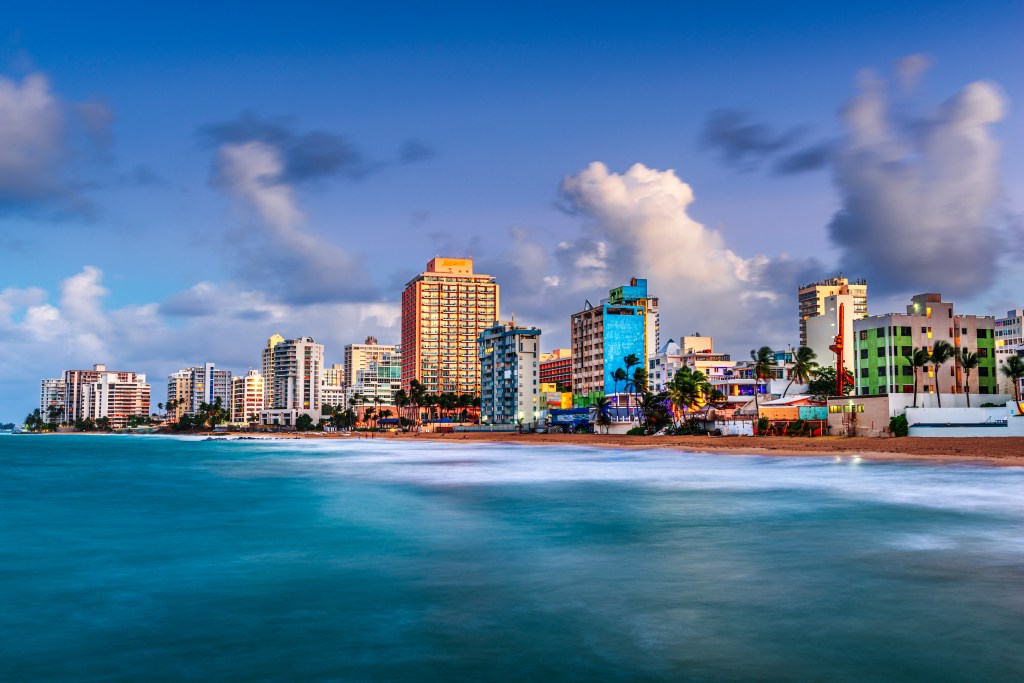
• Puerto Rico is one of the most family-friendly destinations in the Caribbean. The island combines warm weather, beautiful beaches, outdoor adventures, fascinating history, and cultural experiences—with no passport required for U.S. citizens traveling from the mainland.

    Whether you’re visiting with toddlers, teenagers, parents, or grandparents, Puerto Rico offers activities that bring every generation together. Staying in a spacious luxury villa makes the experience even better, allowing families to balance exciting day trips with relaxing afternoons by the pool.

    Beaches Perfect for Families

    Puerto Rico’s coastline offers beaches for every type of family.

    • Luquillo Beach: Known for its typically calm, shallow water, spacious shoreline, and nearby food kiosks. It is an excellent choice for families with younger children.
    • Escambrón Beach in San Juan: Natural rock formations create a protected swimming area that is often calmer than surrounding beaches. Restrooms, picnic areas, and its convenient San Juan location make it an easy family outing.
    • Boquerón Beach in Cabo Rojo: Located on Puerto Rico’s southwest coast, this beach offers a wide stretch of sand, generally gentle water, and easy access to the colorful village of Boquerón.
    • Crash Boat Beach in Aguadilla: Its lively atmosphere, colorful pier, and snorkeling opportunities make it especially popular with older children and teenagers.
    • Seven Seas Beach in Fajardo: A scenic option on the east coast with picnic areas and beautiful views, perfect for combining with other activities in Fajardo.

    Ocean conditions can change quickly, so families should always check local weather, currents, and beach-warning flags before swimming.

    Insider Tip: Pack a picnic basket, reusable water bottles, floaties, and beach games. A villa with a full kitchen makes preparing healthy snacks and drinks for the day easy.

    Explore Old San Juan and Its Historic Forts
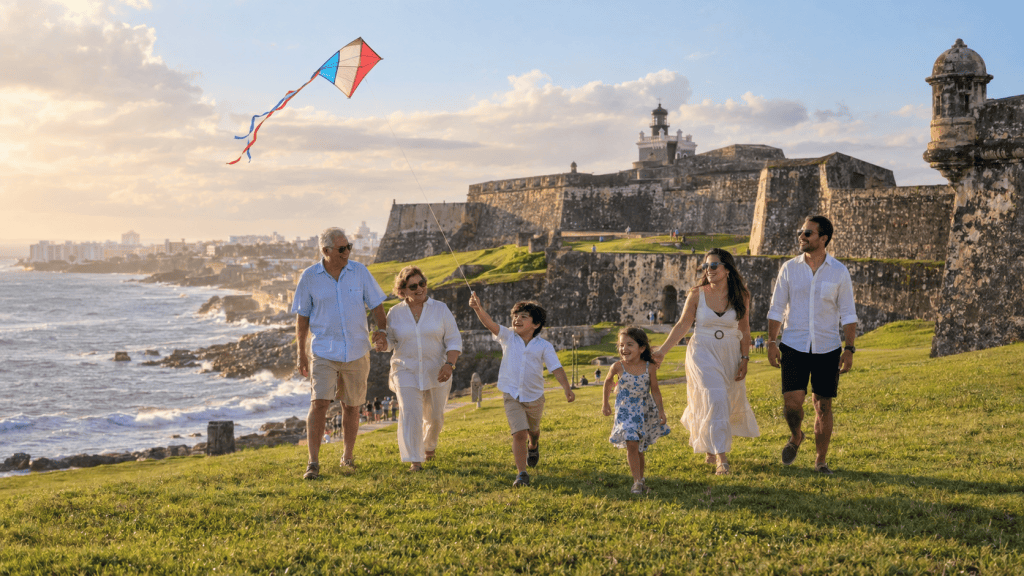
    Old San Juan turns history into an adventure. Families can walk along colorful cobblestone streets, stop for a piragua, and explore the tunnels, sentry boxes, cannons, and enormous walls of Castillo San Felipe del Morro and Castillo San Cristóbal.

    Children can participate in the Junior Ranger program at the San Juan National Historic Site, while the large lawn outside El Morro is a favorite place for picnics and flying traditional Puerto Rican kites known as chiringas.

    Other family-friendly stops include the San Juan Gate, Paseo de la Princesa, Plaza de Armas, Parque de las Palomas, and the waterfront walk along Paseo del Morro.

    El Yunque Rainforest Adventures
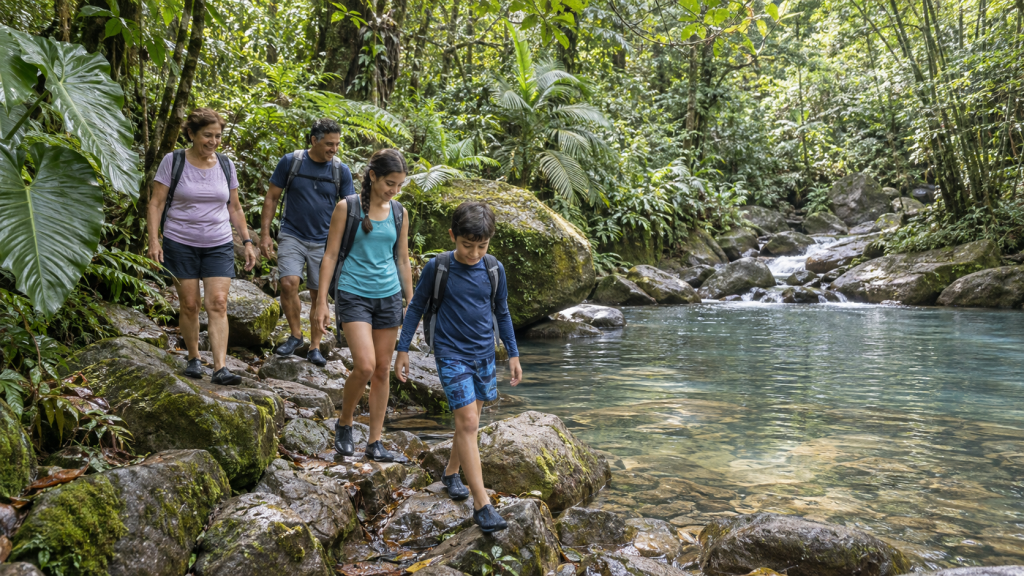
    El Yunque National Forest introduces children to Puerto Rico’s tropical plants, waterfalls, rivers, birds, and famous coquí frogs.

    Families can visit La Coca Falls, climb Yokahú Tower for panoramic views, or explore Angelito Trail, which leads to a natural swimming area in the Río Mameyes. Older children and active families may enjoy more challenging hiking routes.

    Because rain can cause slippery conditions or sudden changes in river levels, families should review the current El Yunque conditions before visiting. Closed trails should never be entered, and swimming should be avoided during heavy rain or flash-flood warnings.

    A guided tour can be especially helpful for families. Bilingual guides often explain the rainforest’s plants, wildlife, history, and ecosystem through stories that keep children engaged.

    Río Tanamá Cave Tubing in Utuado
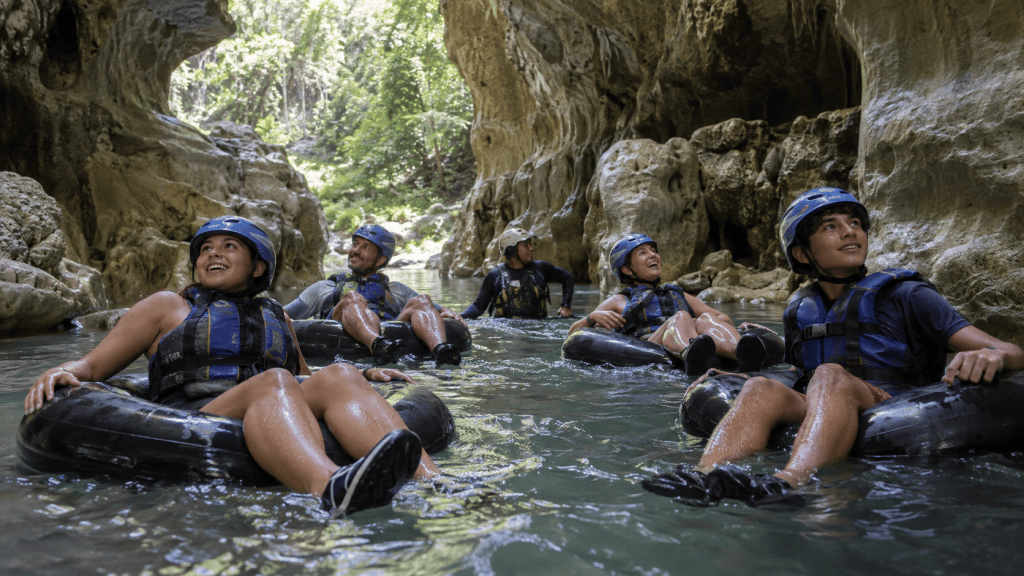
    For adventurous families with older children and teenagers, the Río Tanamá in Utuado offers one of Puerto Rico’s most unforgettable outdoor experiences.

    Local adventure companies provide guided excursions that may combine hiking, cave exploration, rappelling, swimming, and cave tubing. During the tubing portions, participants float along sections of the river surrounded by limestone formations, caves, and lush mountain scenery.

    Tour requirements differ by company, so parents should confirm minimum ages, swimming ability, physical demands, weather policies, and included safety equipment before booking. Río Tanamá excursions should always be completed with an experienced local guide.

    Families visiting Utuado can also stop at the Caguana Indigenous Ceremonial Site to see Taíno ceremonial plazas, petroglyphs, artifacts, and native plants.

    See Puerto Rico’s Bioluminescent Bays

    Puerto Rico is home to three bioluminescent bays: Mosquito Bay in Vieques, Laguna Grande in Fajardo, and La Parguera in Lajas.

    Guided kayak or boat excursions allow families to experience the water glowing as microscopic organisms react to movement. Visibility is generally better on darker nights, so checking the lunar calendar before reserving is helpful.

    Age requirements vary, and nighttime kayaking may be more appropriate for older children who are comfortable on the water. Families traveling with younger children or grandparents can look for operators offering boat-based experiences where permitted.

    Take a Catamaran Trip to a Tropical Cay

    A sailing or catamaran excursion is an exciting way to enjoy Puerto Rico’s clear Caribbean waters. Tours departing from Fajardo frequently visit Cayo Icacos or other nearby cays for swimming, snorkeling, and relaxing on white-sand beaches.

    Many excursions include flotation equipment, snorkeling gear, lunch, snacks, and drinks. Private charters are an excellent choice for multigenerational families who want a more personalized schedule and additional space.

    Families can also plan an overnight visit to Culebra or Vieques, where they can enjoy beautiful beaches, snorkeling, wildlife, and a slower island atmosphere.

    Adventure Parks and Outdoor Fun

    Puerto Rico offers plenty of options for families who want more action.

    • Toro Verde Adventure Park in Orocovis: Known for its dramatic mountain ziplines, including experiences designed for thrill-seeking teenagers and adults. Age, height, and weight requirements apply.
    • Carabalí Rainforest Adventure Park in Luquillo: Offers horseback riding, go-karts, hayrides, a petting zoo, and ATV or UTV excursions. Activities have different age requirements, making it possible to choose an experience appropriate for each family member.
    • Las Cascadas Water Park in Aguadilla: Features waterslides, pools, children’s play areas, and other water attractions. The park operates seasonally, so families should confirm operating dates and purchase tickets through the official website before making the drive.
    • Surfing lessons: Beginner lessons are available in areas such as Luquillo, Rincón, and Isabela. Instructors can help children and teenagers learn basic techniques using beginner-friendly equipment.

    Interactive Museums and Rainy-Day Activities

    When families need a break from the sun, Puerto Rico offers several engaging indoor experiences.

    • Museo del Niño de Carolina: Features interactive exhibits related to science, art, transportation, music, and everyday life. One of its most memorable attractions is a real airplane that children can explore.
    • Museo de Arte de Puerto Rico in Santurce: Offers guided visits and seasonal creative programs for children and families.
    • Distrito T-Mobile in San Juan: A convenient entertainment destination with restaurants, movies, arcade-style activities, and family events.
    • Casa BACARDÍ and rum-focused attractions are better suited to adult members of the family, but Puerto Rico’s plazas, museums, artisan workshops, and cultural centers provide plenty of alternatives for younger travelers.

    Discover Puerto Rican Culture Together

    Some of the simplest experiences often become the most memorable.

    Families can take a salsa or bomba class, visit a weekend festival, walk through a traditional town plaza, sample local pastries from a panadería, or cool off with a fruit-flavored piragua from a street vendor.

    A drive through Piñones combines coastal scenery with Puerto Rican food and culture. Families can enjoy the boardwalk, stop at the beach, and try local favorites such as alcapurrias, bacalaítos, pastelillos, and pinchos.

    Another memorable option is visiting a working coffee hacienda in Puerto Rico’s central mountains. Guided tours explain how coffee is grown, harvested, processed, and roasted. While the adults enjoy a tasting, children can experience the mountain scenery and learn about an important part of Puerto Rican history.

    Why Villas Work Best for Families

    Unlike traditional hotel rooms, villas offer multiple bedrooms, full kitchens, spacious living areas, laundry facilities, and—in many cases—private pools.

    Everyone can follow their own rhythm. Young children can nap while older family members relax by the pool, grandparents can enjoy quiet mornings, and the entire group can gather for meals without needing multiple hotel rooms or restaurant reservations.

    After a full day of exploring, a private villa gives families the space to unwind, reconnect, and feel at home.

    Puerto Rico is the perfect destination for a multigenerational family vacation, combining outdoor adventures, cultural discovery, beautiful beaches, and meaningful time together.

    👉 Book one of our family-friendly luxury villas and give your loved ones a Puerto Rico vacation filled with unforgettable memories.


  • Shopping in Puerto Rico is more than a pastime — it’s a window into the island’s culture and style. Travelers can find everything from luxury fashion houses to handcrafted souvenirs made by local artisans. Whether you’re searching for designer handbags, artisanal jewelry, or unique home décor, Puerto Rico has it all. For villa guests, shopping trips are easy to plan, with concierge services ready to arrange drivers or private shopping experiences.

    Luxury Shopping in San Juan

    San Juan is the epicenter of luxury retail.

    The Mall of San Juan interior — grand atrium, marble floors, and luxury boutiques
    • The Mall of San Juan: Featuring high-end brands such as Louis Vuitton, Gucci, and Versace, along with local boutiques.
    • Condado District: Upscale streets lined with designer shops and jewelers. After a day of shopping, visitors can relax at fine-dining restaurants or rooftop lounges nearby.

    Staying in a villa in Condado or Isla Verde offers easy access to these shopping hubs.

    Local Artisan Markets

    For those who prefer authentic souvenirs, Puerto Rico’s artisan markets are a must:

    • Old San Juan (Plaza de Armas): Weekly craft markets showcase hand-carved santos (wooden saints), vejigante masks, and handmade jewelry.
    • Santurce’s Mercado Urbano: A vibrant Saturday market blending crafts, organic foods, and live music.
    • Ponce Plaza: Known for handmade textiles and pottery.

    Specialty Finds Unique to Puerto Rico

    • Coffee & Chocolate: Bags of local coffee beans or artisanal chocolate bars make excellent gifts.
    • Rum: Casa Bacardí in Cataño and smaller distilleries like Ron del Barrilito offer tours and premium bottles to take home.
    • Jewelry & Textiles: Inspired by Taíno symbols and Afro-Caribbean culture, these pieces reflect Puerto Rico’s unique identity.

    Outlets & Malls

    • Plaza Las Américas (Hato Rey): The largest mall in the Caribbean, featuring mainstream brands, a cinema, and a lively food court.
    • Puerto Rico Premium Outlets (Barceloneta): Perfect for those looking for deals on brands like Nike, Coach, and Ralph Lauren.

    Shopping & Villas: The Perfect Match

    Luxury villa guests often pair shopping with relaxation: imagine a day spent browsing boutiques followed by a private chef preparing dinner at your villa. Villas also offer plenty of storage for new treasures and gifts.

    Shopping in Puerto Rico is a blend of luxury, culture, and discovery. From San Juan’s boutiques to local artisan treasures, there’s something for everyone.

    👉 Make your villa stay complete by exploring Puerto Rico’s diverse shopping scene.

  • Two golfers at a coastal tee beside a golf cart and turquoise ocean

    Puerto Rico has quietly become a world-class golf destination. With year-round sunshine, oceanfront fairways, and luxury villas nearby, it’s perfect for travelers who want to blend sport with relaxation.

    Palmas del Mar (Humacao)

    Palmas del Mar offers two championship courses: the Flamboyán Course, designed by Rees Jones, and the Palm Course, designed by Gary Player. Both feature rolling fairways, ocean views, and resort amenities. Staying in a Palmas villa means golf carts at your doorstep and tee times arranged with ease.

    Río Mar Country Club (Río Grande)

    This club features two courses — one by Tom & George Fazio and another by Greg Norman. With El Yunque as a backdrop and the Atlantic nearby, it’s one of Puerto Rico’s most scenic golf destinations. Villas in Río Grande make for seamless access.

    Bahía Beach Resort (Río Grande)

    Designed by Robert Trent Jones Jr., this course is surrounded by lakes, coconut groves, and nature preserves. It’s a tranquil setting for serious golfers.

    Dorado Beach Resort & Club (Dorado)

    Dorado Beach has three historic courses, including the famed East Course by Robert Trent Jones Sr. It’s a blend of tradition and luxury, with fairways weaving through oceanfront landscapes.

    Coco Beach Golf & Country Club (Río Grande)

    Nestled near El Yunque rainforest on Puerto Rico’s northeastern coast, Coco Beach Golf & Country Club offers 36 holes of championship golf across four distinct nine-hole layouts — Mountain, Ocean, Lakes, and Palms — all designed by PGA legend Tom Kite. Host of the PGA Tour Puerto Rico Open, the resort pairs world-class golf with a full luxury experience: a rainforest spa, multiple pools, direct beach access, and exceptional dining. A must-play for any serious golfer visiting the island.

    Why Villas & Golf Pair Perfectly

    After a day on the greens, villas provide private pools, chef-prepared meals, and space for groups to relax and celebrate.

    From Palmas to Dorado, Puerto Rico’s mainland golf courses offer unforgettable experiences for travelers seeking both challenge and beauty.

    👉 Browse our villas near top golf courses and make your Puerto Rico golf trip extraordinary.

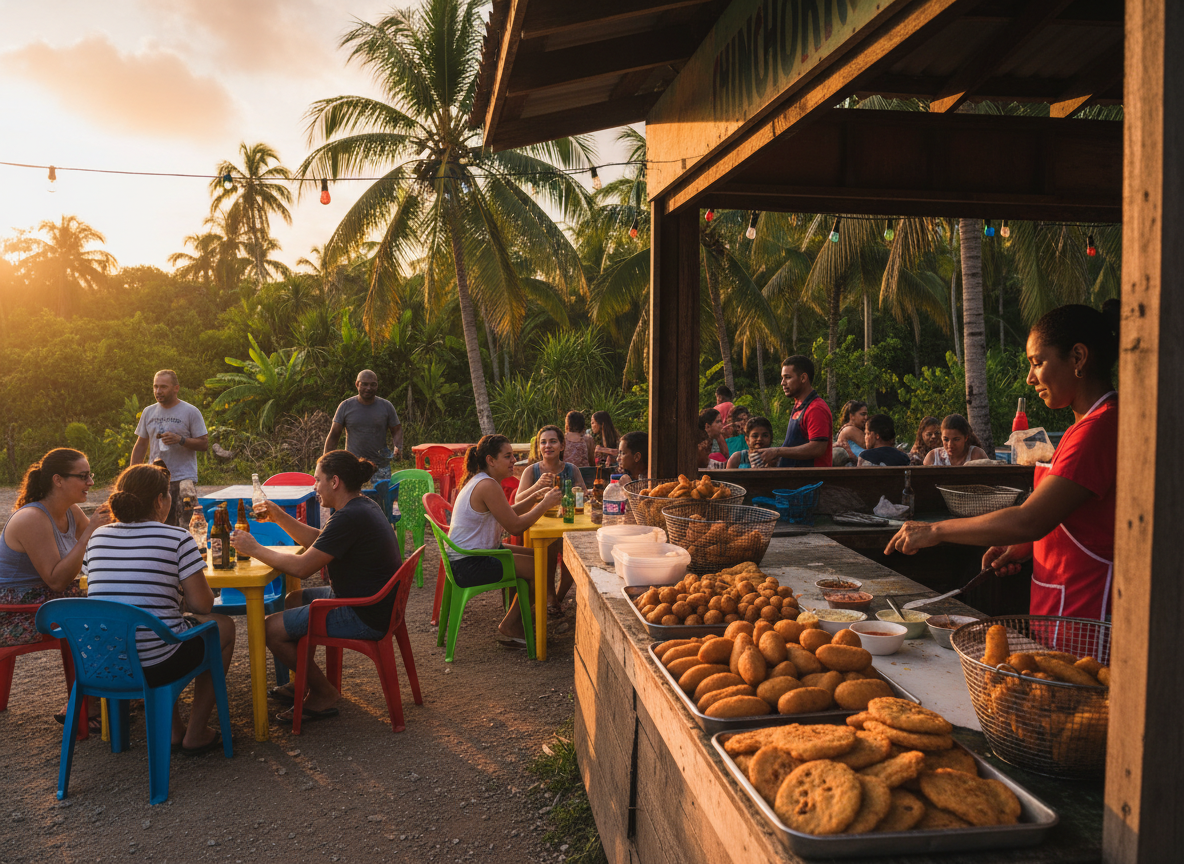
  • A lively Puerto Rican chinchorro food stand at golden hour with locals gathered, colorful chairs, and fried food

    Ask any Puerto Rican about chinchorreo, and you’ll see their face light up. It’s not just a way of eating — it’s a cultural ritual, a celebration of food, music, and togetherness. Think of it as a moving feast, where groups of friends and families travel from kiosk to kiosk or restaurant to restaurant, sampling specialties at each stop.

    The Essence of Chinchorreo

    Chinchorreo blends three essential ingredients: food, drinks, and music. It’s about sharing plates of mofongo, bacalaítos, and lechón, washing it down with a Medalla beer or a refreshing rum cocktail, and enjoying live or spontaneous music. It’s loud, festive, and absolutely authentic.

    Popular Routes

    • Guavate (Cayey): Known as the “Pork Highway,” this stretch is lined with lechoneras where whole pigs roast on spits. It’s the ultimate spot for meat lovers.
    • Piñones (Loíza): Coastal kiosks offer Afro-Caribbean flavors, fried delights, and ocean views. A perfect mix of food and beach vibes.
    • Ruta del Lechón: Beyond Cayey, many rural routes across the island provide their own take on chinchorreo, each with regional specialties.

    The Social Experience

    What makes chinchorreo special is not just the food but the camaraderie. Groups often rent vans or buses, blasting salsa or reggaeton as they go from stop to stop. It’s about laughter, music, and creating memories with friends.

    Tips for Visitors

    • Go hungry — portions are generous, and you’ll want to sample everything.
    • Go local — skip the tourist traps; locals know the best spots.
    • Take your time — chinchorreo is an all-day adventure.

    Luxury Meets Tradition

    Many villa guests enjoy chinchorreo with a twist: private drivers, curated routes, or even bringing a chef to recreate the flavors back at their villa after a day of tasting.

    Chinchorreo is Puerto Rico at its most authentic — flavorful, musical, and full of life. Every traveler should try it at least once.

    👉 Book a villa with us and let our concierge help design your perfect chinchorreo experience.

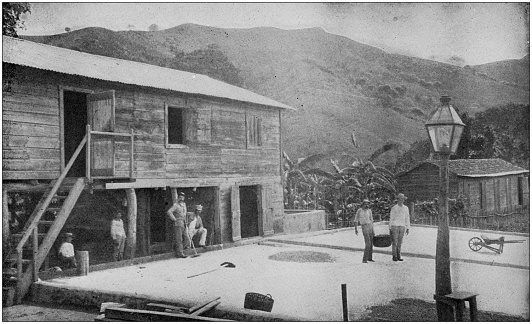
  • US Army black and white photos: Coffee-drying plot near Mayaguez, Puerto Rico

    Coffee in Puerto Rico is more than a morning ritual — it is history, heritage, and culture poured into a cup. Since the 18th century, coffee has been grown in the island’s lush mountains, where cooler temperatures and fertile volcanic soil create beans of exceptional quality. Today, travelers can explore working plantations (known as haciendas) that blend tradition with innovation. Touring a coffee hacienda offers a chance to connect with the land, meet passionate growers, and savor authentic flavors that are deeply tied to Puerto Rico’s identity.

    For guests staying in luxury villas across the island, a day trip into the mountains combines beautifully with the comfort of returning to a private pool and sunset view — making coffee exploration a highlight of any itinerary.

    A Brief History of Puerto Rican Coffee

    Puerto Rico’s coffee industry began in the 1700s, when Spanish settlers introduced coffee plants to the island. By the late 1800s, Puerto Rican coffee was exported to Europe and enjoyed by the Vatican itself. The island was once one of the world’s top coffee producers, with haciendas dotting the central mountains from Adjuntas to Jayuya.

    Although hurricanes and economic changes reduced large-scale exports, coffee has never lost its importance. Today, Puerto Rican coffee is making a comeback with boutique growers, specialty roasters, and eco-friendly practices that preserve both tradition and the environment.

    Hacienda San Pedro (Jayuya)

    One of the most iconic plantations, Hacienda San Pedro, has been run by the Atienza family for four generations. Located in Jayuya, a mountain town about two hours from San Juan, the hacienda offers guided tours where visitors can walk through coffee fields, learn about processing, and taste freshly brewed coffee roasted on-site. The rustic yet elegant setting makes it a favorite among travelers seeking authenticity.

    Why it’s special: Hacienda San Pedro highlights the artistry of small-batch roasting and provides visitors with an intimate view of Puerto Rican coffee culture.

    Hacienda Buena Vista (Ponce)

    Operated by Para La Naturaleza, Hacienda Buena Vista is more than a coffee farm — it’s a living museum. Located near Ponce, this restored 19th-century estate features historic buildings, a water-powered corn mill, and lush trails. While coffee is central, the hacienda also tells the broader story of Puerto Rican agriculture and history.

    Why it’s special: It’s a blend of history, ecology, and coffee tasting, perfect for travelers interested in both culture and nature.

    Ciales Coffee Center

    Known as the “Coffee Town,” Ciales is home to a coffee museum and tasting center that celebrates the island’s many brands. Exhibits highlight the history of coffee in Puerto Rico, while local vendors offer tastings of blends from across the central mountains.

    Why it’s special: Ciales provides a broad overview of the island’s coffee culture, making it a great stop for those who want to try different brands in one place.

    Coffee & Culinary Pairings

    Coffee in Puerto Rico is often enjoyed with traditional pastries like quesitos (cream cheese–filled puff pastries) or mallorcas (sweet rolls dusted with sugar). Many tours include these pairings, creating a sensory experience that blends flavors and history. Some villas even offer private chefs who can prepare a Puerto Rican breakfast with freshly brewed local coffee delivered straight from the plantation you just visited.

    Planning Your Coffee Tour

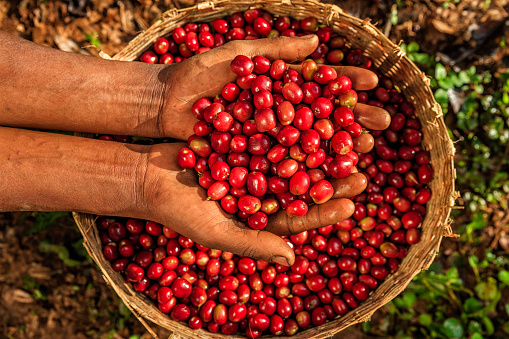
    Best Time to Visit: Harvest season runs from September to December, when visitors may see beans being picked. What to Bring: Comfortable shoes, a hat, and light clothing — mountain weather can shift quickly. How to Get There: Coffee haciendas are located in the central mountains. From San Juan or Palmas del Mar, a private driver or rental car is the best option.

    Luxury Villa Connection

    Exploring Puerto Rico’s coffee country is best complemented by the comfort of a villa stay. After a day of tasting and touring, guests return to spacious living areas, private terraces, and the option of enjoying their freshly purchased beans brewed just the way they like. Villas also provide the flexibility to combine mountain adventures with beach relaxation — the best of both Puerto Rican worlds.

    Conclusion

    Coffee plantations in Puerto Rico offer a unique way to experience the island’s culture, history, and hospitality. From historic estates in Ponce to working haciendas in Jayuya and the museums of Ciales, each stop tells part of the story of Puerto Rican resilience and flavor.

    👉 For travelers seeking both adventure and comfort, pair a villa stay with a coffee plantation tour and savor Puerto Rico one cup at a time.

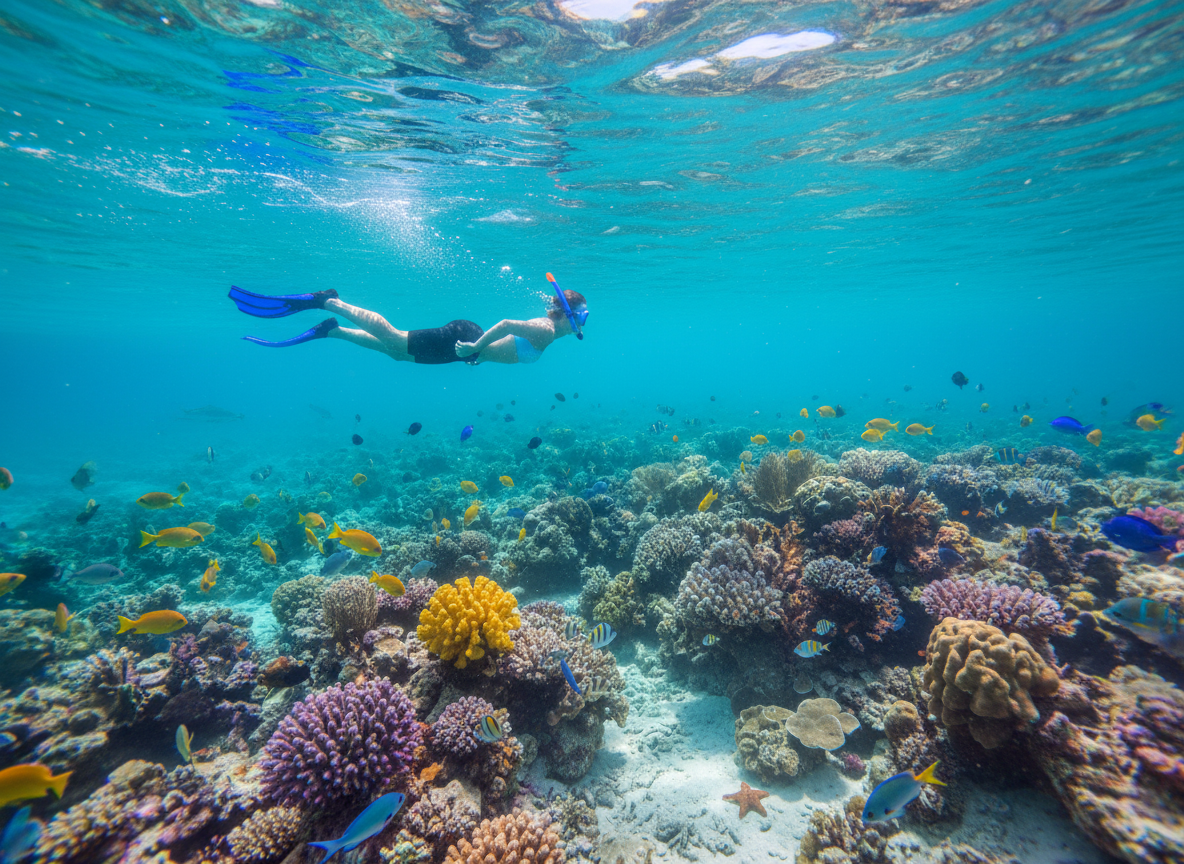
  • A single person snorkeling underwater in clear turquoise Caribbean waters, sunlight rays filtering through the surface, surrounded by colorful tropical fish and vibrant coral reef below

    The reefs of Puerto Rico are among the Caribbean’s best-kept secrets — and when you’re based at a luxury villa, they’re closer than you think. You don’t need to island-hop to Culebra or Vieques to find crystalline waters and kaleidoscopic marine life. These five world-class snorkeling spots are all within reach of your villa, ready to turn a single day into an unforgettable underwater adventure. Puerto Rico’s warm, crystalline waters maintain a consistent 80°F year-round, creating an aquatic paradise that rivals any destination in the Caribbean. Visibility often stretches beyond 80 feet on clear days, revealing a staggering diversity of marine ecosystems — from shallow coral gardens teeming with juvenile fish to dramatic drop-offs where reef sharks patrol deeper waters. The island sits at the intersection of the Atlantic Ocean and Caribbean Sea, and this unique geographic position has created one of the hemisphere’s most biodiverse underwater landscapes. Sea turtles glide effortlessly through channels between coral heads. Schools of parrotfish graze on algae with audible crunching sounds. Spotted eagle rays hover like underwater dancers above sandy flats. Moray eels peer from rocky crevices. The sheer abundance and variety of marine life makes every snorkeling session feel like exploring a thriving underwater city. What sets Puerto Rico apart as a snorkeling destination — and what makes it genuinely underrated — is that world-class reefs sit within minutes of civilization, not hours away. Unlike many Caribbean islands that require long boat rides or island-hopping ferry journeys to reach quality snorkeling, Puerto Rico’s best spots are accessible via short catamaran trips or quick coastal drives from virtually any villa on the island. This accessibility means you maximize time in the water and minimize logistics, allowing you to snorkel in the morning and still return to your villa’s infinity pool or sunset terrace by afternoon. When you’re staying at a luxury villa, this proximity transforms snorkeling from a planned expedition into a spontaneous adventure — something you can do whenever conditions are perfect or whenever the mood strikes.

    1.

    Cayo Icacos — The Crown Jewel of the East Coast

    A stunning coral cay floating just off Fajardo, Cayo Icacos is Puerto Rico’s answer to the Maldives. The cay itself is a postcard-perfect vision — emerald palm fronds fringing powdery white sand, the water surrounding it a gradient of turquoise fading to deep sapphire. But it’s what lies beneath that draws snorkelers from around the world. The reef systems encircling Cayo Icacos are among the most pristine and colorful in Puerto Rico, featuring massive staghorn and elkhorn coral formations that create natural cathedral-like structures beneath the surface. These coral heads provide shelter for an astonishing array of reef residents: loggerhead and hawksbill sea turtles that glide past with prehistoric grace, parrotfish that crunch audibly as they feed on algae, brilliant blue tangs in schools of dozens, and countless other tropical species that seem almost too vivid to be real. Reaching Cayo Icacos is part of the experience itself. Your journey begins with pickup from your villa in a luxury catamaran, a vessel designed for comfort and stability as it cuts through the sapphire waters toward the cay. The 45-minute crossing is itself a window into Puerto Rico’s maritime heritage — your captain might point out dolphins in the distance or explain the island’s sailing history. As you approach Cayo Icacos, the shallow reefs become visible through the crystal water, and anticipation builds. Once anchored, the real adventure begins. Premium day-tour operators include everything needed for a flawless experience. Professional-grade snorkeling gear is provided (though many guests bring their own masks for a perfect fit), along with a gourmet lunch prepared on board — fresh ceviche, tropical fruits, artisan cheeses, grilled fish, and other island delicacies far exceeding typical cruise-ship fare. An open bar keeps you refreshed between reef explorations, with rum punch and cold beverages available throughout the day. Many tours include a thrilling water slide extending from the catamaran — a playful finale that appeals equally to children and adults seeking a moment of pure joy. Expert guides lead small groups through the best reef zones, pointing out creatures you might otherwise miss and sharing stories about the marine ecosystem’s delicate balance. The ideal time to visit Cayo Icacos is during the dry season (December through April), when seas are calmest and visibility reaches its peak. However, summer months (June through September) still offer excellent conditions and fewer tourists. There’s something profoundly magical about floating above a thriving coral ecosystem, tethered to nothing but your own curiosity and the gentle current. And when you return to your villa — salty-haired, sun-kissed, legs pleasantly tired — you carry with you the memory of an underwater landscape that feels almost dreamlike in its beauty. The villa concierge can arrange everything in advance, eliminating any stress and allowing you to simply show up, slip into the water, and lose yourself in wonder.

    2.

    La Parguera & Los Cayos — Reefs That Glow by Night and Dazzle by Day

    La Parguera is famous for its magical bioluminescent bay, but its daytime offerings are equally extraordinary — and the genius of the destination is that you can experience both in a single unforgettable day. By day, La Parguera reveals shallow coral flats and thriving reef systems teeming with tropical fish and soft corals swaying in the current like an underwater garden. The reef here differs slightly from the east coast’s dramatic coral formations; instead, you’ll explore gently sloping ecosystems where the water remains shallow enough for snorkelers of all abilities. Moray eels in shades of yellow and spotted green poke cautiously from crevices, curious but non-aggressive. Spotted eagle rays cruise the sandy channels between coral patches with an almost balletic grace, their spotted wings rippling like silk scarves in water. Sea fans — delicate purple and orange coral formations that look more like living artwork than marine life — bend and sway with the current. Each reef zone supports a distinct community of residents, from tiny goby fish no bigger than your thumbnail to robust groupers that can exceed 20 pounds. The experience is structured beautifully by most operators: you begin your day with a morning snorkeling expedition, typically departing around 8 or 9 AM when water conditions are calmest and visibility is optimal. Three to four hours in the water, punctuated by a beachside or boat-based lunch, allows you to explore multiple reef zones without feeling rushed. You return to your villa by mid-afternoon, rest and refresh, enjoy the sunset from your terrace, and then head back out for the evening’s main event — the bioluminescent bay experience. (A few operators now offer integrated day-and-night packages that eliminate the need for two separate trips.) The bioluminescence experience is unlike anything most people have encountered. As the sun sets and darkness descends, you board a small, electric boat (designed to minimize disturbance to the ecosystem) and paddle into the bay’s interior. The water here contains millions of dinoflagellates — microscopic organisms that emit light when disturbed. When your guide trails a hand through the water, it glows with an ethereal blue-green luminescence, as if the bay itself is alive and conscious. You can dip your own hands and arms into the glowing water, creating trails of light. Small fish become visible through their bioluminescent trails. The effect is pure magic — a moment that feels almost otherworldly and profoundly connecting to the natural world. La Parguera’s daylight reef systems are operated by numerous established tour companies who combine sustainable practices with genuine expertise. The contrast between a daylight snorkel through coral gardens and an evening paddle through a glowing bay creates a sensory arc that guests remember for years. Combine the two experiences, and you’re not just snorkeling — you’re living a story. And the villa concierge can orchestrate the entire day’s logistics, ensuring perfect timing, reliable transportation, and a seamless transition from one experience to the next.

    3.

    Private Coral Reef Adventures with PuertoRicoDayTrips

    For guests who prefer an exclusive, unhurried experience, PuertoRicoDayTrips offers private snorkeling tours focused entirely on Puerto Rico’s most vibrant reef systems. Private tours are fundamentally different from group experiences — the difference between attending a concert in a packed stadium versus an intimate performance in a small venue. With a private tour, there’s no waiting for a large group to assemble, no following a guide who’s forced to maintain a rigid pace for 20 different swimmers of varying abilities. Instead, your guide works exclusively with your party, adjusting depth, location, and pace based entirely on what interests you most. PuertoRicoDayTrips specializes in reef systems that reward close observation and a slower pace. These aren’t the overcrowded tourist zones where guides rush groups through in assembly-line fashion. Instead, the company focuses on less-trafficked reefs where marine life feels less habituated to humans and where the ecosystems display the resilience and abundance that come from experiencing fewer daily visitors. The guides know particular reef formations intimately — they understand which ledges reliably shelter spotted eagle rays, which coral gardens are most likely to host nesting sea turtles, which channels attract schools of silvery jacks. This intimate knowledge means you see things that casual snorkelers miss entirely. What private tour guides bring to the experience is context and storytelling. A great guide doesn’t just point out a parrotfish — they explain that the “crunching” sound you hear is the fish eating coral, that the sand on many Caribbean beaches is actually parrotfish poop, that this single fish contributes more to beach formation than any other source. They explain coral reproduction, fish behavior, symbiotic relationships, and the delicate balance that keeps reefs alive. They share information about what you’re seeing in real time, transforming a passive snorkeling experience into an educational immersion. For families with young children, this personalized attention is invaluable — guides can help anxious swimmers gain confidence, adjust depth to keep children comfortable, and move at a pace that sustains focus rather than inducing fatigue. For couples seeking romance and seclusion, a private tour with PuertoRicoDayTrips offers something increasingly rare — undivided attention in a natural setting. You move through the reef as a pair, your guide maintaining respectful distance, allowing you to share the experience together without feeling like you’re part of a crowd. The guide can suggest optimal photo locations, timing in the water to maximize light quality, and timing for calm conditions. When you return to your villa, you’ll feel like you’ve experienced something truly exclusive and tailored entirely to you. The villa concierge can arrange everything seamlessly in advance — confirming dates, communicating your group size, noting any dietary preferences or accessibility considerations — so when the guide arrives at your villa, everything is perfectly aligned.

    4.

    Reefs Near San Juan — World-Class Snorkeling at Your Doorstep

    Don’t underestimate what’s right outside your door. San Juan’s waterfront conceals some genuinely world-class reef ecosystems, and local snorkeling tour operators offer guided reef explorations just minutes from the city center. These aren’t remnant reefs in decline — they’re thriving coral communities featuring dramatic formations and impressive biodiversity. Coral structures here include massive brain corals the size of compact cars, branching elkhorn formations reaching toward sunlit shallows, and delicate sea fans positioned to catch current and plankton. The fish populations are remarkably diverse: schools of iridescent blue and yellow fusiliers, spotted eagle rays that cruise sandy channels with hypnotic grace, reef sharks gliding through deeper water with purposeful elegance, nurse sharks resting on the sandy bottom looking almost comical in their bottom-feeding poses, and sea turtles that occasionally drift through like living jewels. The accessibility of San Juan reefs means you can slip into the water within 30 minutes of leaving your villa. Local guides represent an invaluable resource often overlooked by tourists seeking “exotic” destinations requiring lengthy journeys. These guides have spent years observing the same reef systems, understanding seasonal patterns, knowing which guides excel at spotting camouflaged creatures, and possessing an almost sixth-sense about where action is happening on any given day. They recognize individual sea turtles and can predict behavioral patterns. They know which coral formations house resident moray eels and which crevices reliably shelter octopi. They understand tidal patterns, current flows, and optimal visibility windows. This encyclopedic knowledge means that even a brief two-to-three-hour snorkeling session with a local guide yields more sightings and richer understanding than many full-day experiences with guides lacking local expertise. The convenience factor cannot be overstated. A morning departure from your villa means you’re in the water by 9 AM, you’re back aboard by noon or early afternoon, and you’re showering off the salt and settling into a late lunch on your villa terrace or beside your private pool by 1 PM. This is not an all-consuming day’s expedition — it’s a manageable adventure that fits smoothly into a broader itinerary. Some guests do San Juan reefs in the morning and dedicate the afternoon to exploring Old San Juan’s colonial architecture, local restaurants, and artisan shops. Others prefer to spend the afternoon resting and preparing for an evening activity. The flexibility is liberating. The most persistent misconception about snorkeling in the Caribbean is that you must travel far to find quality — that world-class reefs only exist in remote islands accessible by ferry or multi-hour boat ride. San Juan’s reefs shatter this myth entirely. The perceived need to travel far often stems from tour marketing rather than reality; operators benefit when they can claim their destinations are “exclusive” and “hard to reach.” In truth, some of the Caribbean’s most rewarding snorkeling happens in plain sight, minutes from a major city, where local knowledge and conservation efforts have created thriving ecosystems that welcome visitors year-round. Your villa concierge can connect you with established local operators who’ve built reputations on consistently excellent experiences and sustainable practices.

    5.

    Aguadilla & the Western Coast — A Rewarding Day Trip for the Adventurous Traveler

    For guests with an explorer’s spirit, Puerto Rico’s western coast offers a dramatic change of scenery and the promise of discovery. The journey from your villa to Aguadilla becomes part of the adventure itself. You’ll wind through lush mountains where tropical vegetation creates a verdant cathedral overhead, passing through small fishing villages where life moves at a distinctly slower pace than the developed coastal areas. Roadside stops reveal authentic Puerto Rican food culture — colorful food trucks serving mofongo, alcapurrias, and fresh tropical juices that taste nothing like their bottled equivalents. You might stop at a vantage point where the view spans from green mountains down to the Atlantic coastline. Conversations with locals offer perspective on how Puerto Rico’s interior remains largely undiscovered by tourists focused exclusively on beach destinations. By the time you reach Aguadilla, you’ve already collected memories beyond just the snorkeling itself. The western coast possesses a distinctly different underwater character than the protected, tropical eastern reefs. Here, the Atlantic Ocean exerts a stronger influence — the water runs slightly cooler, currents are more pronounced, and the reef ecosystem reflects these harsher conditions. Coral formations are often more robust and less delicate than eastern counterparts, having evolved to withstand stronger water movement. Larger pelagic species patrol these reefs — greater amberjacks, large groupers, and other fish that require more open water — creating a sense of wildness and unpredictability absent from more sheltered reefs. The underwater terrain is often more dramatic, with steeper drop-offs, deeper crevices, and more dramatic geological formations. Snorkeling here feels less like visiting a marine garden and more like witnessing a frontier ecosystem where survival depends on strength and adaptation. Tour operators out of Aguadilla lead snorkeling excursions along pristine piers and reef systems that see significantly fewer daily visitors than east coast destinations. The result is a more authentic reef experience — marine life appears less conditioned to human presence, natural behaviors seem less performative, and the ecosystem feels genuinely wild. You might be the only snorkelers at your particular reef site on a given day, a solitude that feels increasingly precious in our crowded world. Guides here often possess a different energy than their east coast counterparts — they seem more excited by discoveries, less jaded by repetition, more willing to spend time with fascinating creatures rather than rushing to the next photo opportunity. The guests who make the journey westward to Aguadilla are consistently the ones who talk most vividly about their Puerto Rico experience months and years later. They speak not just about the snorkeling itself but about the sense of having discovered something genuine, having ventured beyond the established tourist infrastructure, having witnessed reef ecosystems that remain substantially unknown to the broader travel world. That combination — the road trip adventure, the unique reef character, the sense of discovery — creates a memory that transcends a typical tourist experience. Your villa concierge can arrange transportation with drivers familiar with western routes, coordinate with respected Aguadilla-based tour operators, and ensure that this extended day trip is planned with the same attention to detail that characterizes your entire stay.

    Expert Tips for the Ultimate Snorkeling Experience

    • Go private. Request small-group or private tours to enjoy uncrowded reefs — a world away from the mass-tourism experience.
    • Bring your own gear. Your own mask and fins guarantee the perfect fit — tours provide equipment, but quality and comfort vary.
    • Choose reef-safe sunscreen. Protect the reefs you’ve come to admire by using mineral-based, chemical-free sunscreen before you enter the water.
    • Go early. Morning snorkeling offers the calmest seas, clearest visibility, and the most active marine life — well worth setting the alarm.

    Your Villa Concierge Takes Care of Everything

    Leave the logistics to us. The villa concierge service exists to transform ambitious travel plans into seamless experiences. We handle everything behind the scenes: confirming tour availability and reservations well in advance, arranging reliable transportation with drivers who know the routes intimately, discussing your swimming ability and preferences with tour operators to ensure optimal experience matching, coordinating dietary preferences for lunch components of full-day tours, tracking weather patterns and tide charts to recommend ideal timing, and managing all the little details that allow you to simply show up and immerse yourself in the experience. We communicate directly with operators about group size preferences, any accessibility considerations, photography interests, and the specific marine creatures you’re most eager to see. We arrange for your snorkeling gear to be professionally cleaned and dried after each excursion, preserving both your equipment and the reef ecosystem by preventing cross-contamination between reefs. When you return from your snorkeling adventure — salty-haired, sun-kissed, legs pleasantly tired from a day in the ocean — the villa welcomes you with practiced grace. A cool rinse shower is prepared. Fresh towels wait in the guest bath. Chilled beverages await on your terrace. Depending on the day’s itinerary, a light lunch might be prepared, or dinner arrangements might already be confirmed at a restaurant your concierge has researched and vetted. The villa’s infinity pool offers a gentle transition from ocean swimming to relaxation mode. Your day in the reef lives on vividly in your mind while your body settles into the comfort of luxury and thoughtful service. The contrast between the raw intensity of reef exploration and the serene comfort of your villa creates a rhythm that feels almost spiritual — exertion and wonder followed by rest and reflection. Make snorkeling the centerpiece of your Puerto Rico stay. These reefs represent millions of years of evolutionary development and represent some of the Caribbean’s most precious natural resources. Swimming above them, observing their intricate ecosystems, and experiencing the profound biodiversity they sustain is to connect with something essential about our planet. Whether you choose the famous beauty of Cayo Icacos, the magical dual experience of La Parguera, the intimate exclusivity of private tours with PuertoRicoDayTrips, the surprising richness of San Juan reefs, or the adventurous frontier of Aguadilla’s western coast, you’ll return home with memories that reshape your understanding of the natural world. Your villa serves as mission control and sanctuary — the place from which your reef adventures launch and to which you gratefully return. The concierge stands ready to orchestrate every detail, freeing you to focus entirely on wonder.

  • Festivals in Puerto Rico

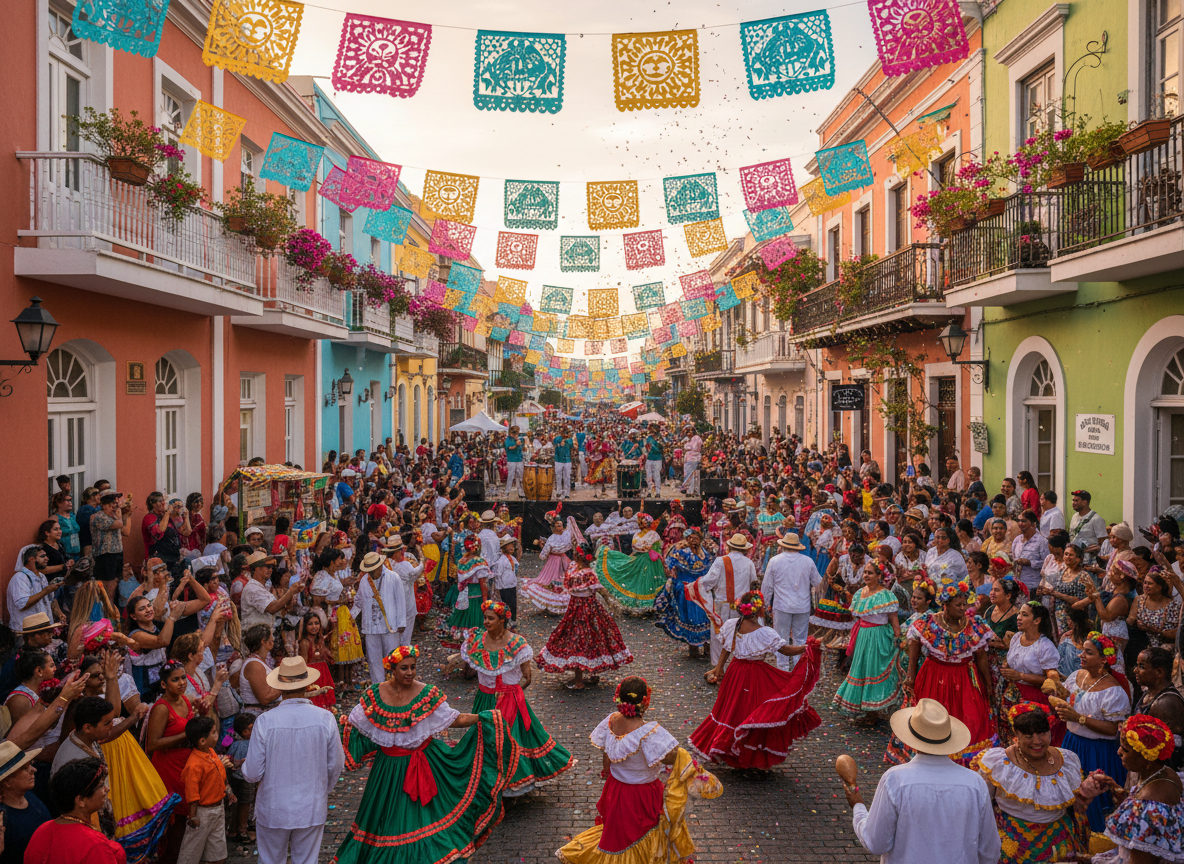
    Puerto Rico is an island that loves to celebrate. Festivals are woven into the culture, blending Spanish, African, and Taíno influences into colorful parades, lively music, and delicious food. For travelers, festivals provide a unique way to experience the island’s energy and traditions. Staying in a luxury villa adds comfort to the excitement — enjoy the party, then retreat to peace and privacy.

    Fiestas de la Calle San Sebastián (January)

    Held in Old San Juan each January, this multi-day street festival is the unofficial start of Puerto Rico’s cultural calendar. Expect parades, live music, artisan stalls, and crowds filling the cobblestone streets. It’s a lively, colorful, and unforgettable experience.

    Insider Tip: Arrive early to find parking or let your villa concierge arrange transport. The festival can get very crowded at night.

    Ponce Carnival (February/March)

    Dating back to the 1800s, the Ponce Carnival is Puerto Rico’s version of Mardi Gras. Vejigantes (masked characters) dance through the streets, while floats and parades fill the city with energy. Families and adults alike enjoy the spectacle.

    Insider Tip: Buy a vejigante mask as a unique souvenir from local artisans.

    Other Festivals Across the Island

    • Festival de la Piña Paradisíaca (La Parguera): A summer celebration of Puerto Rico’s pineapple harvest with music, food, and dance.
    • Coffee Festival (Maricao): Held during harvest season, this festival showcases Puerto Rican coffee and local traditions.
    • Saborea Puerto Rico (San Juan): A culinary festival highlighting chefs, rum, and local dishes.

    Holiday Traditions & Parrandas

    Christmas in Puerto Rico is legendary — the longest holiday season in the world. From November through January, families gather for parrandas (musical serenades), coquito (coconut rum drink), and pasteles (tamales made with plantain dough). Luxury villas often decorate for the season, allowing guests to immerse themselves in the festivities.

    Why Festivals Enhance Your Vacation

    Attending a festival connects travelers with the island’s heart. It’s a chance to dance with locals, taste authentic street food, and hear rhythms like salsa and bomba live. For villa guests, the day doesn’t end with the parade — it ends with a glass of wine by the pool or a chef-prepared dinner at “home.”

    Conclusion

    Puerto Rico’s festivals showcase joy, resilience, and community spirit. From San Sebastián to Ponce, every event is a chance to celebrate life.

  • Puerto Rico, the Island of Rhythm

    Few places in the world can claim such an outsized influence on global music as Puerto Rico. This small Caribbean island has given rise to entire genres — from the traditional drumbeats of bomba to the stadium-shaking sound of reggaetón. Music is not just entertainment here; it’s part of daily life, woven into holidays, festivals, protests, love stories, and family gatherings.

    Whether you’re walking through the cobblestone streets of Old San Juan, relaxing in Loíza, or dancing at La Placita de Santurce, the soundtrack of Puerto Rico surrounds you. Let’s dive deep into the island’s most iconic musical traditions, their origins, and where you can experience them today.

    🥁 Bomba: The Call and Response of Freedom

    Bomba is one of the oldest and most powerful musical styles of Puerto Rico, born from the island’s African heritage. Originating in the 17th century among enslaved Africans on sugar plantations, bomba was both resistance and release — a space to celebrate, mourn, and communicate.

    How it works: Bomba is performed with barrel-shaped drums called barriles. The dancer doesn’t follow the drummer; the drummer follows the dancer, mirroring their movements in real time. This creates a dialogue of rhythm and body, an expression of freedom and individuality. Cultural role: Bomba was once feared by colonial authorities because it united communities. Today, it is celebrated as a proud symbol of Afro-Puerto Rican identity. Where to experience it: Head to Loíza, the heart of Afro-Puerto Rican culture, or catch a bomba performance in San Juan’s cultural centers. Many plazas feature free bomba nights where locals and visitors join in.

    🥁 Plena: The People’s Newspaper

    If bomba is about freedom, plena is about storytelling. Known as el periódico cantado (“the sung newspaper”), plena originated in Ponce in the early 20th century. It uses small handheld drums called panderetas, along with güiro and vocals.

    What makes it special: Plena lyrics narrate everyday life — from local gossip to political protests. In times before mass media, plena spread the news. Cultural impact: Plena became the voice of working-class Puerto Ricans, expressing joy, struggle, and resilience. Where to hear it: Festivals, community parades, and Christmas season gatherings are filled with plena. You’ll often hear it paired with bomba, making for an unforgettable live experience.

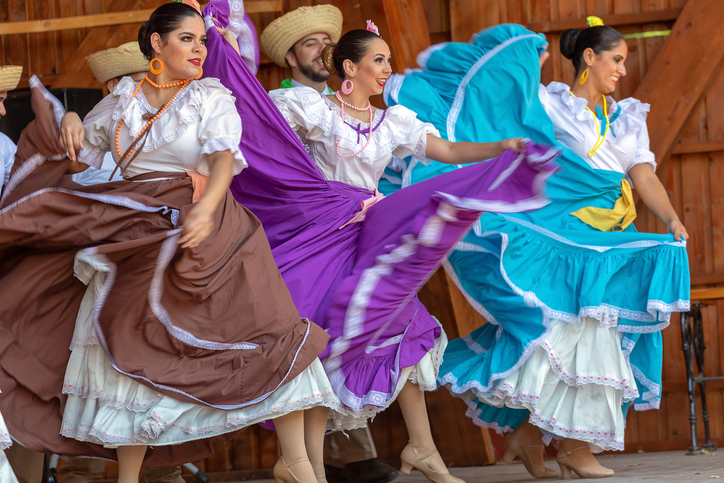
    Timisoara: Dancers from Puerto Rico in traditional costume perform at the international folk festival “International Festival of hearts” organized by the City Hall.

    💃 Danza and Música Jíbara: The Roots of Tradition

    Beyond Afro-Caribbean influences, Puerto Rico’s Spanish and Taíno roots shaped genres like danza and música jíbara.

    Danza: Elegant and formal, danza was the music of Puerto Rican cities in the 19th century. With European classical influence, it was danced at balls and is best remembered in the patriotic piece La Borinqueña. Música jíbara: From the mountains of Puerto Rico came the sound of jíbaro farmers, playing the cuatro, a ten-string guitar unique to Puerto Rico. Often performed at Christmas (aguinaldos and décimas), it’s heartfelt, nostalgic, and deeply tied to Puerto Rican identity.

    🎷 Salsa: The Island’s Global Dance Gift

    Although salsa’s roots spread across the Caribbean, Puerto Rico — both on the island and in New York’s diaspora — played a central role in shaping the sound.

    The golden era: In the 1970s, Puerto Rican musicians like Héctor Lavoe, Willie Colón, and El Gran Combo de Puerto Rico propelled salsa onto the global stage. With its driving horns, clave rhythms, and romantic yet urban lyrics, salsa became a symbol of Latin pride. Why Puerto Rico matters: While Cuba influenced salsa’s roots, Puerto Rico gave it structure and international reach. Today, salsa remains one of the island’s proudest exports. Where to dance: San Juan’s nightclubs, especially in Condado and Santurce, host salsa nights where locals and visitors alike can dance until sunrise.

    🎤 Reggaetón: From the Streets to the World

    No discussion of Puerto Rican music is complete without reggaetón, the genre that revolutionized global pop.

    Origins: Reggaetón was born in Puerto Rico in the 1990s, influenced by Panamanian reggae en español, Jamaican dancehall, and American hip-hop. Initially dismissed as underground, it spread from caseríos (public housing) and street parties to international radio. Pioneers: Artists like Daddy Yankee (Gasolina), Don Omar, and Tego Calderón turned reggaetón into a global force. The new era: Today, Puerto Rico’s own Bad Bunny is the most streamed artist in the world, blending reggaetón, trap latino, and other genres into music that dominates global charts. Where to feel it: You’ll hear reggaetón everywhere — from car stereos on the streets to mega-concerts at El Coliseo. For nightlife, La Placita de Santurce is reggaetón central.

    🎶 Música Urbana & Fusion

    Reggaetón opened the door for a broader wave of música urbana — blending trap, Latin pop, R&B, and electronic sounds. Artists like Rauw Alejandro, Ozuna, and Residente (of Calle 13) show how Puerto Rican music refuses to stand still.

    At the same time, younger musicians are revisiting bomba, plena, and salsa, mixing them into urban tracks. This keeps Puerto Rico’s roots alive while pushing its music forward.

    🌍 Music as Puerto Rico’s Identity

    What ties all these genres together is how they reflect Puerto Rico’s history:

    African heritage in bomba and plena Spanish colonial influence in danza and jíbaro music Urban migration and diaspora shaping salsa Contemporary identity and youth culture driving reggaetón and trap

    Puerto Rican music isn’t static; it’s alive, evolving, and always global.

    🎉 Experiencing Puerto Rican Music as a Traveler

    For visitors, Puerto Rico offers countless ways to connect with this musical heritage:

    Old San Juan: Live plena and salsa in plazas on weekends. Loíza: Bomba performances rooted in Afro-Puerto Rican culture. Santurce & La Placita: The epicenter of reggaetón and nightlife. Festivals: From the San Sebastián Street Festival to Fiestas Patronales, music is always central.

    And if you’re staying in a luxury villa, you can bring Puerto Rican music to you — whether with private salsa lessons by the pool, live plena groups for events, or simply creating your island playlist to set the mood.

    Puerto Rico, the Island that Moves the World

    From the heartbeat of bomba to the global beats of reggaetón, Puerto Rico has shaped how the world dances, sings, and celebrates. Its music is a living museum of history, identity, and innovation.

    When you come to Puerto Rico, don’t just visit the beaches — step into the rhythm. Because here, music isn’t background noise. It’s the soul of the island.

  • From Benito to Bad Bunny — and Back Again

    He conquered the music charts as Bad Bunny, but today, the world is learning to call him simply Benito. For Puerto Ricans, that name means more than a global superstar. It’s a reminder that behind the sunglasses, outrageous fashion, and record-shattering hits is a young man from Vega Baja who worked his way from bagging groceries to selling out stadiums.

    Benito Martínez Ocasio has become more than an artist — he is a symbol of Puerto Rican pride, unity, and authenticity. His career is not just about hits and awards. It’s about how he has marketed Puerto Rico to the world, turned cultural identity into global currency, and given Puerto Ricans a renewed sense of pride. With his latest album shifting musical boundaries, his leap into television and film, and his confirmed role in the 2026 Super Bowl halftime show, Benito has stepped into a new era: not just as a reggaetón star, but as Puerto Rico’s cultural ambassador.

    From Vega Baja to Global Superstar

    Born in Vega Baja, Benito grew up surrounded by music — salsa, merengue, reggaetón, and the folkloric beats of bomba and plena. He studied at the University of Puerto Rico in Arecibo, bagged groceries to support himself, and recorded songs on SoundCloud. One of those songs, Soy Peor, caught fire in 2016 and reshaped the reggaetón landscape.

    From there, collaborations with Cardi B (I Like It), Drake (Mia), and J Balvin cemented his rise. But while others often adapted to global markets, Benito doubled down on Puerto Rico: singing exclusively in Spanish, using Puerto Rican slang, and weaving island references into every track.

    For Puerto Ricans, he wasn’t just a success story — he was our success story.

    The Marketing Genius: Branding Puerto Rico to the World

    Benito’s genius lies not only in his music but in his marketing strategy, which is unlike anyone else in the industry.

    Authenticity as Brand: In an industry driven by trends, Benito does the opposite. He refuses to cater to English-speaking markets, proving that Spanish-only lyrics can dominate globally. That refusal has become his strongest marketing move. Fashion as Messaging: From skirts and nail polish to wrestling gear and oversized sunglasses, his style is deliberate. It challenges stereotypes and creates constant media buzz, while signaling freedom of identity — a message embraced by fans worldwide. Concerts as Cultural Showcases: His shows aren’t just concerts — they are Puerto Rican festivals on global stages. From flying dancers dressed as vejigantes to full orchestras playing salsa and bomba, every show markets Puerto Rican culture itself. Social Media Savvy: Without overexposure, he uses Instagram and TikTok strategically — disappearing when he chooses, only to reemerge with a shockwave (like album drops announced with no warning). That unpredictability is the marketing.

    In short, Benito isn’t selling himself. He’s selling Puerto Rican authenticity, and the world is buying.

    Cultural Pride and Puerto Rican Unity

    Perhaps more than any artist of his generation, Benito has given Puerto Ricans a sense of unity and pride. His concerts feel like national celebrations. Families, young people, and the diaspora gather waving flags, singing in unison, and crying tears of joy.

    For Puerto Rico, a place that has endured hurricanes, blackouts, and political unrest, Benito’s success is more than entertainment — it’s emotional fuel. His activism during the Ricky Renuncia protests in 2019 proved he wasn’t afraid to stand with his people. His Good Bunny Foundation invests in children, artists, and communities across the island.

    Most importantly, he has made Puerto Ricans proud to be seen and heard on the global stage. His success is our success.

    The Last Album: A Musical Shift

    Benito’s most recent album marked an important evolution. While earlier projects were anchored in reggaetón and trap, this one leaned into experimentation: fusions of salsa, merengue, rock, and even folk elements that showcased Puerto Rico’s diverse soundscape.

    He layered storytelling into his music, weaving themes of nostalgia, heartbreak, identity, and social critique. Instead of chasing radio formulas, he created an album that felt like Puerto Rico itself — eclectic, bold, and emotional.

    For longtime fans, it was proof that Benito is no longer just chasing hits — he is curating art, representing a cultural journey. And for Puerto Ricans, hearing salsa horns and plena beats in a global release felt like hearing home broadcast to the world.

    Breaking Into New Arenas: SNL, Film, and Super Bowl 2026

    Benito’s ambition doesn’t stop with music.

    Saturday Night Live: In 2023, he became only the second Puerto Rican to host SNL, delivering sketches in Spanish and English, spotlighting Latino culture, and breaking barriers on one of the most iconic U.S. platforms. Film & TV: From his role in Bullet Train alongside Brad Pitt to his upcoming projects in Marvel’s Spider-Man universe, Benito has proven his versatility. He’s not a guest star; he’s becoming a mainstay in Hollywood. WWE & Crossovers: His appearances in professional wrestling shocked skeptics — but his dedication (training for months) won fans over. Again, his work ethic was undeniable. Super Bowl 2026: Perhaps the biggest stage of all — Benito is confirmed to headline the Super Bowl halftime show in February 2026. For Puerto Ricans, this isn’t just entertainment; it’s cultural representation at the world’s most-watched event.

    Every time he steps into a new arena, he brings Puerto Rico with him.

    The Work Ethic Behind the Phenomenon

    Behind the flamboyance is a man who works relentlessly. Those who know him describe endless rehearsals, hands-on control of visuals, and careful curation of his albums and shows. He writes, directs, and produces much of his material, refusing to hand his image over to corporate control.

    This work ethic is what separates him from other “viral” stars. Benito isn’t a fad — he’s building a sustainable, multi-decade career by outworking and outthinking the industry. He’s proof that Puerto Ricans can succeed not by conforming but by leading.

    Conclusion: Benito as Puerto Rico’s Ambassador

    In the end, the Bad Bunny phenomenon isn’t just about breaking records or hosting SNL. It’s about Benito Martínez Ocasio, the young man from Vega Baja who turned authenticity into marketing, culture into music, and Puerto Rican pride into a global movement.

    His latest album shows growth, his marketing reshapes the rules, his activism inspires, and his upcoming Super Bowl performance cements his place not just as an entertainer, but as a cultural ambassador.

    For Puerto Ricans everywhere, Benito is more than an artist. He is a symbol of resilience, pride, and unity. He reminds us that being unapologetically Puerto Rican isn’t just enough — it’s powerful.

    And whether the world calls him Bad Bunny or Benito, Puerto Rico will always call him ours.

  • Best Time to Visit Puerto Rico: A Luxury Traveler’s Guide

    Puerto Rico is a year-round tropical paradise, but choosing the right time to visit can transform a good trip into an unforgettable one. Whether you’re escaping the winter chill, planning a summer getaway, or looking for quiet luxury, each season on the island offers something unique.

    High Season: December – April

    Winter in Puerto Rico is peak travel season, drawing visitors escaping the cold from the mainland U.S. and Europe. Expect lively beaches, bustling restaurants, and a vibrant social scene. This is also the driest and sunniest time of year — perfect for beach days and sailing trips.

    Why stay then?

    • Ideal weather: 70s–80s °F with little rain.
    • Lively cultural calendar with festivals and events.
    • Villas book up early — secure yours well in advance.

    Shoulder Season: May – June

    The late spring and early summer months are a sweet spot for travelers seeking fewer crowds and good value. Beaches are quieter, and luxury villas are easier to book at attractive rates.

    What to expect:

    • Warm temperatures and lush landscapes.
    • Occasional tropical showers, usually short.
    • Perfect for golfing, exploring Old San Juan, or taking day trips to nearby islands.

    Summer: July – August

    Puerto Ricans themselves take vacations during the summer, which means beaches and resorts have a lively, local atmosphere. Warm evenings are perfect for enjoying outdoor dining, music, and nightlife.

    Highlights:

    • Authentic cultural immersion.
    • Local festivals and traditional celebrations.
    • A vibrant energy that blends luxury with community spirit.

    Low Season: September – November

    This is the quietest time on the island, offering travelers privacy and tranquility. While it coincides with the Atlantic hurricane season, many days are still sunny and beautiful — and villas can be found at excellent value.

    Why consider it:

    • Secluded beaches and peaceful stays.
    • Best rates on luxury villas.
    • Great for travelers who want relaxation over crowds.

    Conclusion

    No matter when you visit, Puerto Rico offers beauty, culture, and warm hospitality. The best time to visit ultimately depends on what kind of experience you seek — lively festivals, peaceful escapes, or immersive cultural adventures.