Coffee in Puerto Rico is more than a morning ritual — it is history, heritage, and culture poured into a cup. Since the 18th century, coffee has been grown in the island’s lush mountains, where cooler temperatures and fertile volcanic soil create beans of exceptional quality. Today, travelers can explore working plantations (known as haciendas) that blend tradition with innovation. Touring a coffee hacienda offers a chance to connect with the land, meet passionate growers, and savor authentic flavors that are deeply tied to Puerto Rico’s identity.
For guests staying in luxury villas across the island, a day trip into the mountains combines beautifully with the comfort of returning to a private pool and sunset view — making coffee exploration a highlight of any itinerary.
A Brief History of Puerto Rican Coffee
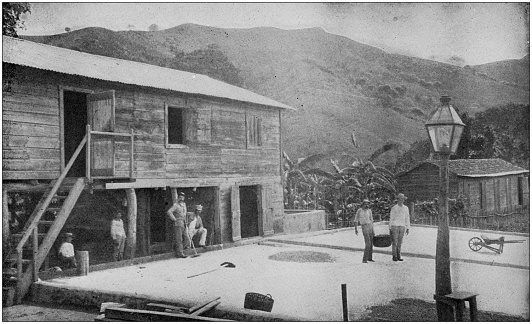
Puerto Rico’s coffee industry began in the 1700s, when Spanish settlers introduced coffee plants to the island. By the late 1800s, Puerto Rican coffee was exported to Europe and enjoyed by the Vatican itself. The island was once one of the world’s top coffee producers, with haciendas dotting the central mountains from Adjuntas to Jayuya.
Although hurricanes and economic changes reduced large-scale exports, coffee has never lost its importance. Today, Puerto Rican coffee is making a comeback with boutique growers, specialty roasters, and eco-friendly practices that preserve both tradition and the environment.
Hacienda San Pedro (Jayuya)
One of the most iconic plantations, Hacienda San Pedro, has been run by the Atienza family for four generations. Located in Jayuya, a mountain town about two hours from San Juan, the hacienda offers guided tours where visitors can walk through coffee fields, learn about processing, and taste freshly brewed coffee roasted on-site. The rustic yet elegant setting makes it a favorite among travelers seeking authenticity.
Why it’s special: Hacienda San Pedro highlights the artistry of small-batch roasting and provides visitors with an intimate view of Puerto Rican coffee culture.
Hacienda Buena Vista (Ponce)
Operated by Para La Naturaleza, Hacienda Buena Vista is more than a coffee farm — it’s a living museum. Located near Ponce, this restored 19th-century estate features historic buildings, a water-powered corn mill, and lush trails. While coffee is central, the hacienda also tells the broader story of Puerto Rican agriculture and history.
Why it’s special: It’s a blend of history, ecology, and coffee tasting, perfect for travelers interested in both culture and nature.
Ciales Coffee Center
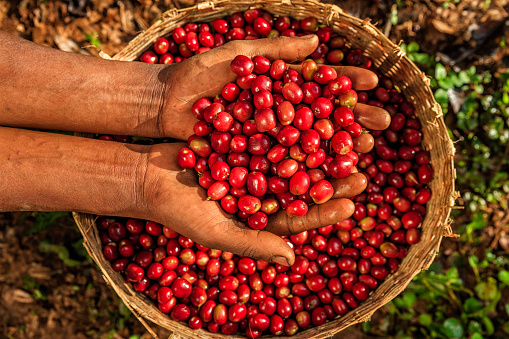
Known as the “Coffee Town,” Ciales is home to a coffee museum and tasting center that celebrates the island’s many brands. Exhibits highlight the history of coffee in Puerto Rico, while local vendors offer tastings of blends from across the central mountains.
Why it’s special: Ciales provides a broad overview of the island’s coffee culture, making it a great stop for those who want to try different brands in one place.
Coffee & Culinary Pairings
Coffee in Puerto Rico is often enjoyed with traditional pastries like quesitos (cream cheese–filled puff pastries) or mallorcas (sweet rolls dusted with sugar). Many tours include these pairings, creating a sensory experience that blends flavors and history. Some villas even offer private chefs who can prepare a Puerto Rican breakfast with freshly brewed local coffee delivered straight from the plantation you just visited.
Planning Your Coffee Tour
Best Time to Visit: Harvest season runs from September to December, when visitors may see beans being picked. What to Bring: Comfortable shoes, a hat, and light clothing — mountain weather can shift quickly. How to Get There: Coffee haciendas are located in the central mountains. From San Juan or Palmas del Mar, a private driver or rental car is the best option.
Luxury Villa Connection
Exploring Puerto Rico’s coffee country is best complemented by the comfort of a villa stay. After a day of tasting and touring, guests return to spacious living areas, private terraces, and the option of enjoying their freshly purchased beans brewed just the way they like. Villas also provide the flexibility to combine mountain adventures with beach relaxation — the best of both Puerto Rican worlds.
Conclusion
Coffee plantations in Puerto Rico offer a unique way to experience the island’s culture, history, and hospitality. From historic estates in Ponce to working haciendas in Jayuya and the museums of Ciales, each stop tells part of the story of Puerto Rican resilience and flavor.
👉 For travelers seeking both adventure and comfort, pair a villa stay with a coffee plantation tour and savor Puerto Rico one cup at a time.
 Puerto Rico Insider: Travel, Food & Lifestyle
Leave a comment