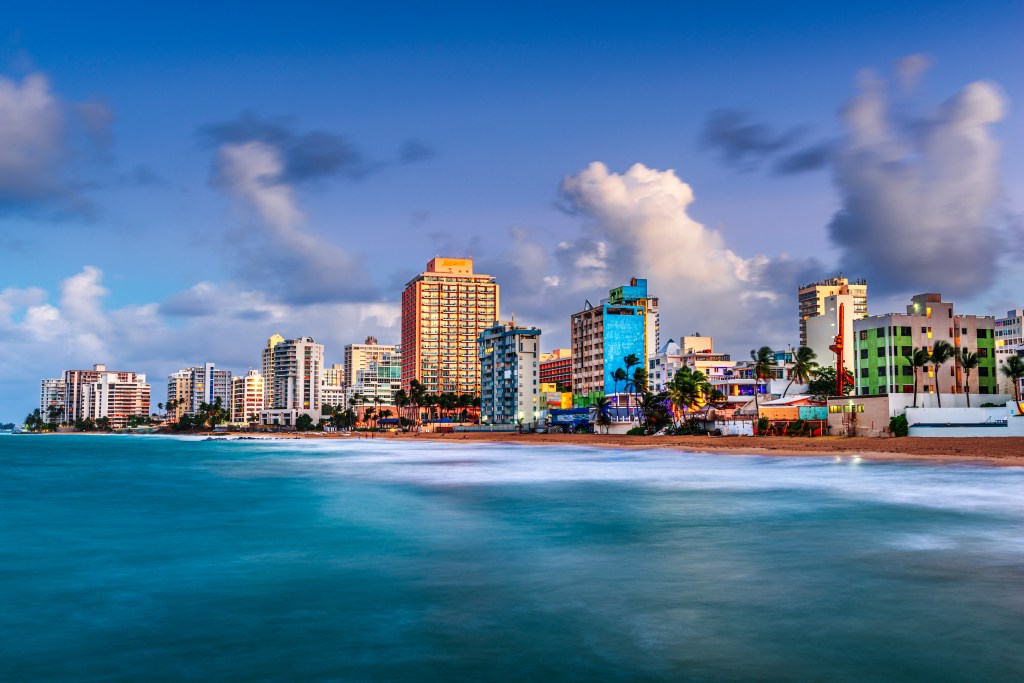
• Puerto Rico, the Island of Rhythm

    Few places in the world can claim such an outsized influence on global music as Puerto Rico. This small Caribbean island has given rise to entire genres — from the traditional drumbeats of bomba to the stadium-shaking sound of reggaetón. Music is not just entertainment here; it’s part of daily life, woven into holidays, festivals, protests, love stories, and family gatherings.

    Whether you’re walking through the cobblestone streets of Old San Juan, relaxing in Loíza, or dancing at La Placita de Santurce, the soundtrack of Puerto Rico surrounds you. Let’s dive deep into the island’s most iconic musical traditions, their origins, and where you can experience them today.

    đŸ„ Bomba: The Call and Response of Freedom

    Bomba is one of the oldest and most powerful musical styles of Puerto Rico, born from the island’s African heritage. Originating in the 17th century among enslaved Africans on sugar plantations, bomba was both resistance and release — a space to celebrate, mourn, and communicate.

    How it works: Bomba is performed with barrel-shaped drums called barriles. The dancer doesn’t follow the drummer; the drummer follows the dancer, mirroring their movements in real time. This creates a dialogue of rhythm and body, an expression of freedom and individuality. Cultural role: Bomba was once feared by colonial authorities because it united communities. Today, it is celebrated as a proud symbol of Afro-Puerto Rican identity. Where to experience it: Head to Loíza, the heart of Afro-Puerto Rican culture, or catch a bomba performance in San Juan’s cultural centers. Many plazas feature free bomba nights where locals and visitors join in.

    đŸ„ Plena: The People’s Newspaper

    If bomba is about freedom, plena is about storytelling. Known as el periĂłdico cantado (“the sung newspaper”), plena originated in Ponce in the early 20th century. It uses small handheld drums called panderetas, along with gĂŒiro and vocals.

    What makes it special: Plena lyrics narrate everyday life — from local gossip to political protests. In times before mass media, plena spread the news. Cultural impact: Plena became the voice of working-class Puerto Ricans, expressing joy, struggle, and resilience. Where to hear it: Festivals, community parades, and Christmas season gatherings are filled with plena. You’ll often hear it paired with bomba, making for an unforgettable live experience.
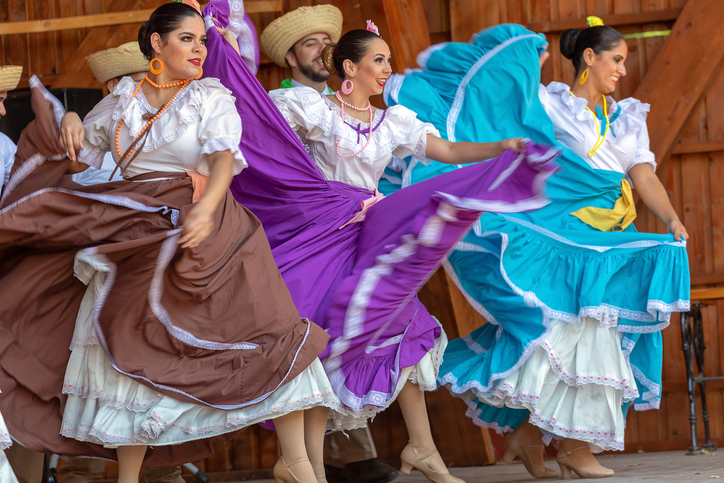
    Timisoara: Dancers from Puerto Rico in traditional costume perform at the international folk festival “International Festival of hearts” organized by the City Hall.

    💃 Danza and MĂșsica JĂ­bara: The Roots of Tradition

    Beyond Afro-Caribbean influences, Puerto Rico’s Spanish and TaĂ­no roots shaped genres like danza and mĂșsica jĂ­bara.

    Danza: Elegant and formal, danza was the music of Puerto Rican cities in the 19th century. With European classical influence, it was danced at balls and is best remembered in the patriotic piece La Borinqueña. MĂșsica jĂ­bara: From the mountains of Puerto Rico came the sound of jĂ­baro farmers, playing the cuatro, a ten-string guitar unique to Puerto Rico. Often performed at Christmas (aguinaldos and dĂ©cimas), it’s heartfelt, nostalgic, and deeply tied to Puerto Rican identity.

    đŸŽ· Salsa: The Island’s Global Dance Gift

    Although salsa’s roots spread across the Caribbean, Puerto Rico — both on the island and in New York’s diaspora — played a central role in shaping the sound.

    The golden era: In the 1970s, Puerto Rican musicians like HĂ©ctor Lavoe, Willie ColĂłn, and El Gran Combo de Puerto Rico propelled salsa onto the global stage. With its driving horns, clave rhythms, and romantic yet urban lyrics, salsa became a symbol of Latin pride. Why Puerto Rico matters: While Cuba influenced salsa’s roots, Puerto Rico gave it structure and international reach. Today, salsa remains one of the island’s proudest exports. Where to dance: San Juan’s nightclubs, especially in Condado and Santurce, host salsa nights where locals and visitors alike can dance until sunrise.

    đŸŽ€ ReggaetĂłn: From the Streets to the World

    No discussion of Puerto Rican music is complete without reggaetĂłn, the genre that revolutionized global pop.

    Origins: ReggaetĂłn was born in Puerto Rico in the 1990s, influenced by Panamanian reggae en español, Jamaican dancehall, and American hip-hop. Initially dismissed as underground, it spread from caserĂ­os (public housing) and street parties to international radio. Pioneers: Artists like Daddy Yankee (Gasolina), Don Omar, and Tego CalderĂłn turned reggaetĂłn into a global force. The new era: Today, Puerto Rico’s own Bad Bunny is the most streamed artist in the world, blending reggaetĂłn, trap latino, and other genres into music that dominates global charts. Where to feel it: You’ll hear reggaetĂłn everywhere — from car stereos on the streets to mega-concerts at El Coliseo. For nightlife, La Placita de Santurce is reggaetĂłn central.

    đŸŽ¶ MĂșsica Urbana & Fusion

    ReggaetĂłn opened the door for a broader wave of mĂșsica urbana — blending trap, Latin pop, R&B, and electronic sounds. Artists like Rauw Alejandro, Ozuna, and Residente (of Calle 13) show how Puerto Rican music refuses to stand still.

    At the same time, younger musicians are revisiting bomba, plena, and salsa, mixing them into urban tracks. This keeps Puerto Rico’s roots alive while pushing its music forward.

    🌍 Music as Puerto Rico’s Identity

    What ties all these genres together is how they reflect Puerto Rico’s history:

    African heritage in bomba and plena Spanish colonial influence in danza and jĂ­baro music Urban migration and diaspora shaping salsa Contemporary identity and youth culture driving reggaetĂłn and trap

    Puerto Rican music isn’t static; it’s alive, evolving, and always global.

    🎉 Experiencing Puerto Rican Music as a Traveler

    For visitors, Puerto Rico offers countless ways to connect with this musical heritage:

    Old San Juan: Live plena and salsa in plazas on weekends. LoĂ­za: Bomba performances rooted in Afro-Puerto Rican culture. Santurce & La Placita: The epicenter of reggaetĂłn and nightlife. Festivals: From the San SebastiĂĄn Street Festival to Fiestas Patronales, music is always central.

    And if you’re staying in a luxury villa, you can bring Puerto Rican music to you — whether with private salsa lessons by the pool, live plena groups for events, or simply creating your island playlist to set the mood.

    Puerto Rico, the Island that Moves the World

    From the heartbeat of bomba to the global beats of reggaetĂłn, Puerto Rico has shaped how the world dances, sings, and celebrates. Its music is a living museum of history, identity, and innovation.

    When you come to Puerto Rico, don’t just visit the beaches — step into the rhythm. Because here, music isn’t background noise. It’s the soul of the island.

  • Benito MartĂ­nez Ocasio: Puerto Rico’s Global         Ambassador and the Bad Bunny Phenomenon

    From Benito to Bad Bunny — and Back Again

    He conquered the music charts as Bad Bunny, but today, the world is learning to call him simply Benito. For Puerto Ricans, that name means more than a global superstar. It’s a reminder that behind the sunglasses, outrageous fashion, and record-shattering hits is a young man from Vega Baja who worked his way from bagging groceries to selling out stadiums.

    Benito Martínez Ocasio has become more than an artist — he is a symbol of Puerto Rican pride, unity, and authenticity. His career is not just about hits and awards. It’s about how he has marketed Puerto Rico to the world, turned cultural identity into global currency, and given Puerto Ricans a renewed sense of pride. With his latest album shifting musical boundaries, his leap into television and film, and his confirmed role in the 2026 Super Bowl halftime show, Benito has stepped into a new era: not just as a reggaetón star, but as Puerto Rico’s cultural ambassador.

    From Vega Baja to Global Superstar

    Born in Vega Baja, Benito grew up surrounded by music — salsa, merengue, reggaetón, and the folkloric beats of bomba and plena. He studied at the University of Puerto Rico in Arecibo, bagged groceries to support himself, and recorded songs on SoundCloud. One of those songs, Soy Peor, caught fire in 2016 and reshaped the reggaetón landscape.

    From there, collaborations with Cardi B (I Like It), Drake (Mia), and J Balvin cemented his rise. But while others often adapted to global markets, Benito doubled down on Puerto Rico: singing exclusively in Spanish, using Puerto Rican slang, and weaving island references into every track.

    For Puerto Ricans, he wasn’t just a success story — he was our success story.

    The Marketing Genius: Branding Puerto Rico to the World

    Benito’s genius lies not only in his music but in his marketing strategy, which is unlike anyone else in the industry.

    Authenticity as Brand: In an industry driven by trends, Benito does the opposite. He refuses to cater to English-speaking markets, proving that Spanish-only lyrics can dominate globally. That refusal has become his strongest marketing move. Fashion as Messaging: From skirts and nail polish to wrestling gear and oversized sunglasses, his style is deliberate. It challenges stereotypes and creates constant media buzz, while signaling freedom of identity — a message embraced by fans worldwide. Concerts as Cultural Showcases: His shows aren’t just concerts — they are Puerto Rican festivals on global stages. From flying dancers dressed as vejigantes to full orchestras playing salsa and bomba, every show markets Puerto Rican culture itself. Social Media Savvy: Without overexposure, he uses Instagram and TikTok strategically — disappearing when he chooses, only to reemerge with a shockwave (like album drops announced with no warning). That unpredictability is the marketing.

    In short, Benito isn’t selling himself. He’s selling Puerto Rican authenticity, and the world is buying.

    Cultural Pride and Puerto Rican Unity

    Perhaps more than any artist of his generation, Benito has given Puerto Ricans a sense of unity and pride. His concerts feel like national celebrations. Families, young people, and the diaspora gather waving flags, singing in unison, and crying tears of joy.

    For Puerto Rico, a place that has endured hurricanes, blackouts, and political unrest, Benito’s success is more than entertainment — it’s emotional fuel. His activism during the Ricky Renuncia protests in 2019 proved he wasn’t afraid to stand with his people. His Good Bunny Foundation invests in children, artists, and communities across the island.

    Most importantly, he has made Puerto Ricans proud to be seen and heard on the global stage. His success is our success.

    The Last Album: A Musical Shift

    Benito’s most recent album marked an important evolution. While earlier projects were anchored in reggaetón and trap, this one leaned into experimentation: fusions of salsa, merengue, rock, and even folk elements that showcased Puerto Rico’s diverse soundscape.

    He layered storytelling into his music, weaving themes of nostalgia, heartbreak, identity, and social critique. Instead of chasing radio formulas, he created an album that felt like Puerto Rico itself — eclectic, bold, and emotional.

    For longtime fans, it was proof that Benito is no longer just chasing hits — he is curating art, representing a cultural journey. And for Puerto Ricans, hearing salsa horns and plena beats in a global release felt like hearing home broadcast to the world.

    Breaking Into New Arenas: SNL, Film, and Super Bowl 2026

    Benito’s ambition doesn’t stop with music.

    Saturday Night Live: In 2023, he became only the second Puerto Rican to host SNL, delivering sketches in Spanish and English, spotlighting Latino culture, and breaking barriers on one of the most iconic U.S. platforms. Film & TV: From his role in Bullet Train alongside Brad Pitt to his upcoming projects in Marvel’s Spider-Man universe, Benito has proven his versatility. He’s not a guest star; he’s becoming a mainstay in Hollywood. WWE & Crossovers: His appearances in professional wrestling shocked skeptics — but his dedication (training for months) won fans over. Again, his work ethic was undeniable. Super Bowl 2026: Perhaps the biggest stage of all — Benito is confirmed to headline the Super Bowl halftime show in February 2026. For Puerto Ricans, this isn’t just entertainment; it’s cultural representation at the world’s most-watched event.

    Every time he steps into a new arena, he brings Puerto Rico with him.

    The Work Ethic Behind the Phenomenon

    Behind the flamboyance is a man who works relentlessly. Those who know him describe endless rehearsals, hands-on control of visuals, and careful curation of his albums and shows. He writes, directs, and produces much of his material, refusing to hand his image over to corporate control.

    This work ethic is what separates him from other “viral” stars. Benito isn’t a fad — he’s building a sustainable, multi-decade career by outworking and outthinking the industry. He’s proof that Puerto Ricans can succeed not by conforming but by leading.

    Conclusion: Benito as Puerto Rico’s Ambassador

    In the end, the Bad Bunny phenomenon isn’t just about breaking records or hosting SNL. It’s about Benito Martínez Ocasio, the young man from Vega Baja who turned authenticity into marketing, culture into music, and Puerto Rican pride into a global movement.

    His latest album shows growth, his marketing reshapes the rules, his activism inspires, and his upcoming Super Bowl performance cements his place not just as an entertainer, but as a cultural ambassador.

    For Puerto Ricans everywhere, Benito is more than an artist. He is a symbol of resilience, pride, and unity. He reminds us that being unapologetically Puerto Rican isn’t just enough — it’s powerful.

    And whether the world calls him Bad Bunny or Benito, Puerto Rico will always call him ours.

  • Best Time to Visit Puerto Rico: A Luxury Traveler’s Guide

    Puerto Rico is a year-round tropical paradise, but choosing the right time to visit can transform a good trip into an unforgettable one. Whether you’re escaping the winter chill, planning a summer getaway, or looking for quiet luxury, each season on the island offers something unique.

    High Season: December – April

    Winter in Puerto Rico is peak travel season, drawing visitors escaping the cold from the mainland U.S. and Europe. Expect lively beaches, bustling restaurants, and a vibrant social scene. This is also the driest and sunniest time of year — perfect for beach days and sailing trips.

    Why stay then?

    • Ideal weather: 70s–80s °F with little rain.
    • Lively cultural calendar with festivals and events.
    • Villas book up early — secure yours well in advance.

    Shoulder Season: May – June

    The late spring and early summer months are a sweet spot for travelers seeking fewer crowds and good value. Beaches are quieter, and luxury villas are easier to book at attractive rates.

    What to expect:

    • Warm temperatures and lush landscapes.
    • Occasional tropical showers, usually short.
    • Perfect for golfing, exploring Old San Juan, or taking day trips to nearby islands.

    Summer: July – August

    Puerto Ricans themselves take vacations during the summer, which means beaches and resorts have a lively, local atmosphere. Warm evenings are perfect for enjoying outdoor dining, music, and nightlife.

    Highlights:

    • Authentic cultural immersion.
    • Local festivals and traditional celebrations.
    • A vibrant energy that blends luxury with community spirit.

    Low Season: September – November

    This is the quietest time on the island, offering travelers privacy and tranquility. While it coincides with the Atlantic hurricane season, many days are still sunny and beautiful — and villas can be found at excellent value.

    Why consider it:

    • Secluded beaches and peaceful stays.
    • Best rates on luxury villas.
    • Great for travelers who want relaxation over crowds.

    Conclusion

    No matter when you visit, Puerto Rico offers beauty, culture, and warm hospitality. The best time to visit ultimately depends on what kind of experience you seek — lively festivals, peaceful escapes, or immersive cultural adventures.