Puerto Rico, the Island of Rhythm
Few places in the world can claim such an outsized influence on global music as Puerto Rico. This small Caribbean island has given rise to entire genres — from the traditional drumbeats of bomba to the stadium-shaking sound of reggaetón. Music is not just entertainment here; it’s part of daily life, woven into holidays, festivals, protests, love stories, and family gatherings.
Whether you’re walking through the cobblestone streets of Old San Juan, relaxing in Loíza, or dancing at La Placita de Santurce, the soundtrack of Puerto Rico surrounds you. Let’s dive deep into the island’s most iconic musical traditions, their origins, and where you can experience them today.
🥁 Bomba: The Call and Response of Freedom
Bomba is one of the oldest and most powerful musical styles of Puerto Rico, born from the island’s African heritage. Originating in the 17th century among enslaved Africans on sugar plantations, bomba was both resistance and release — a space to celebrate, mourn, and communicate.
How it works: Bomba is performed with barrel-shaped drums called barriles. The dancer doesn’t follow the drummer; the drummer follows the dancer, mirroring their movements in real time. This creates a dialogue of rhythm and body, an expression of freedom and individuality. Cultural role: Bomba was once feared by colonial authorities because it united communities. Today, it is celebrated as a proud symbol of Afro-Puerto Rican identity. Where to experience it: Head to Loíza, the heart of Afro-Puerto Rican culture, or catch a bomba performance in San Juan’s cultural centers. Many plazas feature free bomba nights where locals and visitors join in.
🥁 Plena: The People’s Newspaper
If bomba is about freedom, plena is about storytelling. Known as el periódico cantado (“the sung newspaper”), plena originated in Ponce in the early 20th century. It uses small handheld drums called panderetas, along with güiro and vocals.
What makes it special: Plena lyrics narrate everyday life — from local gossip to political protests. In times before mass media, plena spread the news. Cultural impact: Plena became the voice of working-class Puerto Ricans, expressing joy, struggle, and resilience. Where to hear it: Festivals, community parades, and Christmas season gatherings are filled with plena. You’ll often hear it paired with bomba, making for an unforgettable live experience.
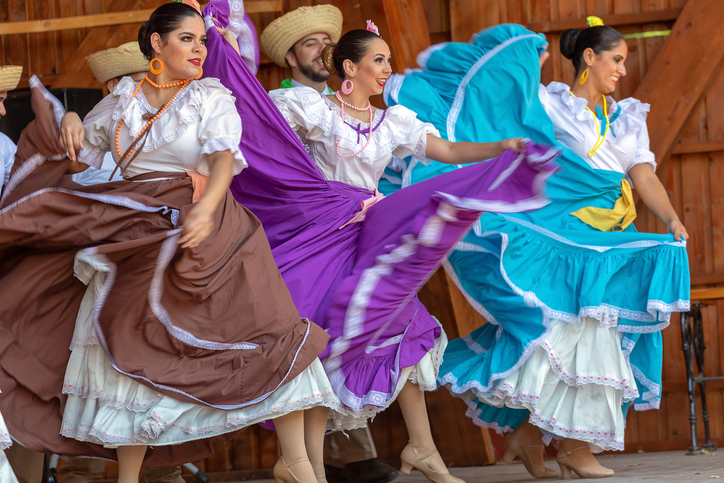
💃 Danza and Música Jíbara: The Roots of Tradition
Beyond Afro-Caribbean influences, Puerto Rico’s Spanish and Taíno roots shaped genres like danza and música jíbara.
Danza: Elegant and formal, danza was the music of Puerto Rican cities in the 19th century. With European classical influence, it was danced at balls and is best remembered in the patriotic piece La Borinqueña. Música jíbara: From the mountains of Puerto Rico came the sound of jíbaro farmers, playing the cuatro, a ten-string guitar unique to Puerto Rico. Often performed at Christmas (aguinaldos and décimas), it’s heartfelt, nostalgic, and deeply tied to Puerto Rican identity.
🎷 Salsa: The Island’s Global Dance Gift
Although salsa’s roots spread across the Caribbean, Puerto Rico — both on the island and in New York’s diaspora — played a central role in shaping the sound.
The golden era: In the 1970s, Puerto Rican musicians like Héctor Lavoe, Willie Colón, and El Gran Combo de Puerto Rico propelled salsa onto the global stage. With its driving horns, clave rhythms, and romantic yet urban lyrics, salsa became a symbol of Latin pride. Why Puerto Rico matters: While Cuba influenced salsa’s roots, Puerto Rico gave it structure and international reach. Today, salsa remains one of the island’s proudest exports. Where to dance: San Juan’s nightclubs, especially in Condado and Santurce, host salsa nights where locals and visitors alike can dance until sunrise.
🎤 Reggaetón: From the Streets to the World
No discussion of Puerto Rican music is complete without reggaetón, the genre that revolutionized global pop.
Origins: Reggaetón was born in Puerto Rico in the 1990s, influenced by Panamanian reggae en español, Jamaican dancehall, and American hip-hop. Initially dismissed as underground, it spread from caseríos (public housing) and street parties to international radio. Pioneers: Artists like Daddy Yankee (Gasolina), Don Omar, and Tego Calderón turned reggaetón into a global force. The new era: Today, Puerto Rico’s own Bad Bunny is the most streamed artist in the world, blending reggaetón, trap latino, and other genres into music that dominates global charts. Where to feel it: You’ll hear reggaetón everywhere — from car stereos on the streets to mega-concerts at El Coliseo. For nightlife, La Placita de Santurce is reggaetón central.
🎶 Música Urbana & Fusion
Reggaetón opened the door for a broader wave of música urbana — blending trap, Latin pop, R&B, and electronic sounds. Artists like Rauw Alejandro, Ozuna, and Residente (of Calle 13) show how Puerto Rican music refuses to stand still.
At the same time, younger musicians are revisiting bomba, plena, and salsa, mixing them into urban tracks. This keeps Puerto Rico’s roots alive while pushing its music forward.
🌍 Music as Puerto Rico’s Identity
What ties all these genres together is how they reflect Puerto Rico’s history:
African heritage in bomba and plena Spanish colonial influence in danza and jíbaro music Urban migration and diaspora shaping salsa Contemporary identity and youth culture driving reggaetón and trap
Puerto Rican music isn’t static; it’s alive, evolving, and always global.
🎉 Experiencing Puerto Rican Music as a Traveler
For visitors, Puerto Rico offers countless ways to connect with this musical heritage:
Old San Juan: Live plena and salsa in plazas on weekends. Loíza: Bomba performances rooted in Afro-Puerto Rican culture. Santurce & La Placita: The epicenter of reggaetón and nightlife. Festivals: From the San Sebastián Street Festival to Fiestas Patronales, music is always central.
And if you’re staying in a luxury villa, you can bring Puerto Rican music to you — whether with private salsa lessons by the pool, live plena groups for events, or simply creating your island playlist to set the mood.
Puerto Rico, the Island that Moves the World
From the heartbeat of bomba to the global beats of reggaetón, Puerto Rico has shaped how the world dances, sings, and celebrates. Its music is a living museum of history, identity, and innovation.
When you come to Puerto Rico, don’t just visit the beaches — step into the rhythm. Because here, music isn’t background noise. It’s the soul of the island.
 Puerto Rico Insider: Travel, Food & Lifestyle
Leave a comment